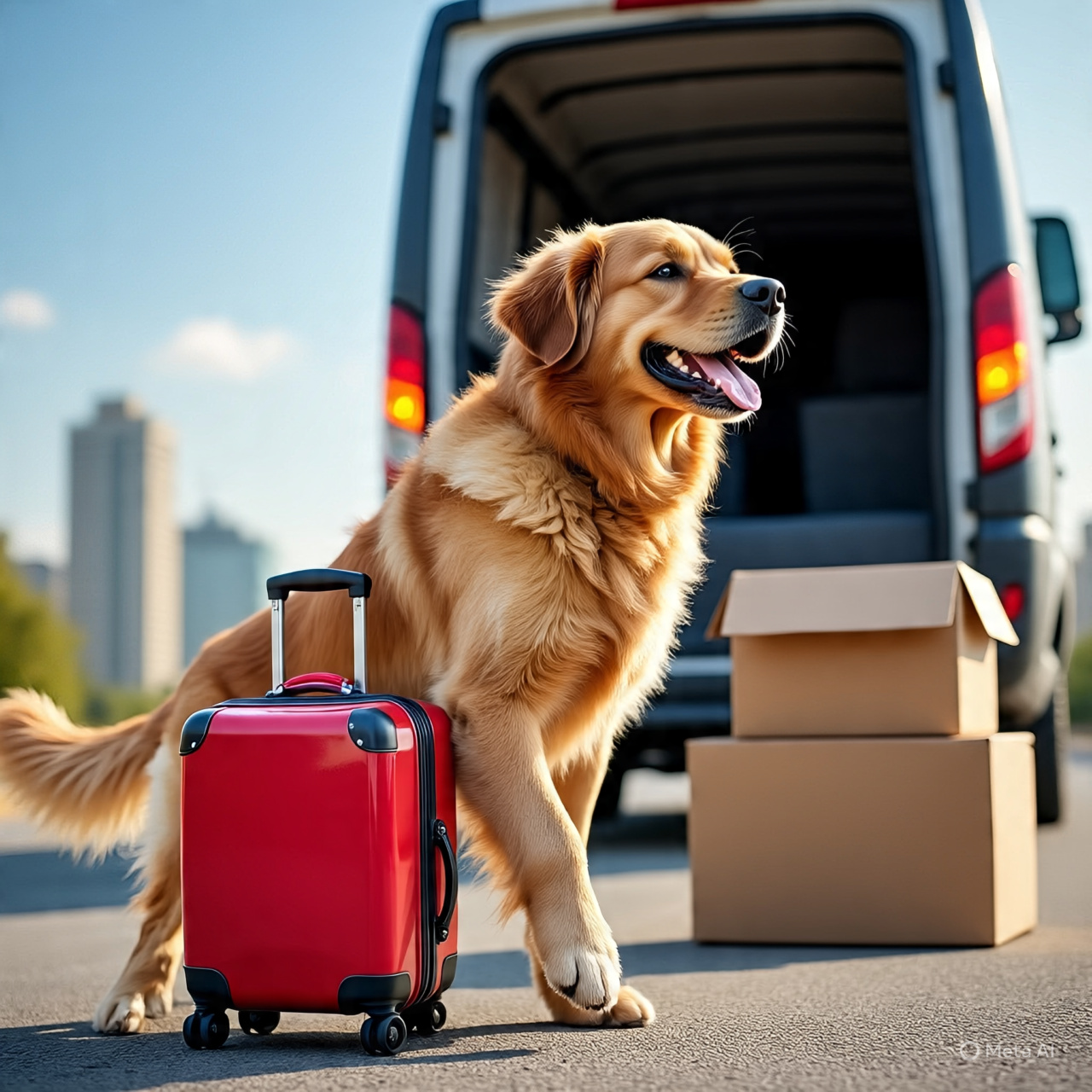
Moving a pet across the country, let alone to another part of the world, can feel like a monumental task. But it doesn't have to be a source of stress. Long distance pet transport is all about getting your furry family member safely from point A to point B, whether that's hundreds or thousands of miles away. It's a specialized service that takes the complex logistics off your plate, so you can focus on your move.
The whole point is to make your pet's journey as smooth and comfortable as possible.
Your Pet's Journey Starts Here

When you’re relocating, adding a pet into the mix brings a whole new layer of emotion to an already challenging process. You might be moving for a new job, to be closer to family, or just for a fresh start, but your number one concern is always their well-being. This guide is here to walk you through those core worries—safety, comfort, and all the nitty-gritty details.
Turning to professional pet movers is becoming the go-to choice for families, and for good reason. The industry is booming because people are realizing just how valuable that expertise is. In fact, the global pet transporting services market was valued at about USD 573.3 million in 2025 and is on track to hit around USD 873.4 million by 2035. That kind of growth shows just how much demand there is for safe, regulated, and specialized relocation services.
Why Professional Transport Matters
Going with a professional service turns what could be a frantic DIY project into a managed, calm process. These companies have the experience and resources to make sure every single detail is handled correctly.
Here’s what they bring to the table:
- Safety First: They use climate-controlled vehicles and airline-approved crates to keep your pet secure.
- Navigating the Rules: They're pros at handling health certificates, import permits, and tricky quarantine requirements.
- A Calmer Pet: Experienced handlers are trained to keep animals relaxed and comfortable on the road.
- Your Peace of Mind: You get regular updates, so you always know your best friend is in good hands.
Entrusting your pet to an expert means they are cared for by people who genuinely understand animal behavior and travel safety. It's about so much more than just a ride; it's about providing a secure and humane journey from your old home to your new one.
To get started on the right foot, this ultimate pet travel planning guide is a great resource for covering all your bases. If you’re moving within the country, our guide on domestic pet moving services is packed with helpful insights. With the right team and a bit of prep, this big move can be a positive step for everyone in the family.
Choosing Your Pet's Mode of Travel
One of the biggest decisions you'll make when planning your pet's long-distance move is simply how they’ll get there. You're basically looking at two paths: professional ground transport or air travel. And while both can get the job done, the best choice really comes down to your pet's personality, health, your destination, and your timeline.
It’s not as simple as picking the fastest or cheapest route. You need to weigh the pros and cons of each, because this choice directly impacts your pet's safety and stress levels.
Ground Transport: The Personal Touch
For moves within the country, ground transportation is often the gold standard. I especially recommend it for pets that are anxious, getting up there in years, or have specific medical needs. Think of it less like shipping and more like a private chauffeur service for your furry family member.
With a dedicated ground service, your pet travels in a climate-controlled SUV or customized van. They’re never alone. A professional handler is right there with them, providing one-on-one attention for the entire trip. This door-to-door approach cuts out the chaos of airports and multiple handoffs.
This method isn't just a preference; for some breeds, it's a necessity.
Let's take a real-world scenario: Imagine you need to get Winston, your 8-year-old English Bulldog, from sunny Miami all the way to Seattle. Because he's a brachycephalic (flat-faced) breed, almost no airline will let him fly in cargo. The risk of respiratory distress is just too high. In this case, professional long distance pet transport by ground isn't just the better option—it's the only safe one.
Instead of a stressful cargo hold, Winston would ride in a comfortable, air-conditioned vehicle. His driver would make plenty of stops for walks, meals, and belly rubs, ensuring he arrives happy and healthy. If you're considering this, you can dive deeper into the benefits of ground pet travel for long distances in our other guide.
Air Travel: The Swift Option
When you're dealing with an international move or a coast-to-coast trip on a tight schedule, flying is undeniably the fastest way to get your pet to their new home. It can be a great option for healthy, well-socialized pets who are comfortable in their crate.
But flying comes with its own set of logistical hurdles. Your pet will likely travel as manifest cargo, which means they're in a pressurized, temperature-controlled section of the plane. While safe, it's a much more industrial environment than the front seat of an SUV.
A few things to keep in mind:
- Breed Restrictions: As we saw with Winston, many flat-faced breeds are simply banned from flying.
- Weather Embargoes: Airlines have strict temperature rules. If it’s too hot or too cold at any point on the itinerary (departure, layover, or arrival), your pet’s flight will be canceled, often at the last minute.
- Crate Requirements: The airline rules for travel crates are incredibly specific. Get it wrong, and your pet could be denied boarding on the spot.
Comparing Air vs Ground Pet Transport Options
To make the right call, it helps to see the options side-by-side. Every pet and every move is different, so what works for one might not be right for another. Here’s a quick breakdown of the key factors to consider.
| Factor | Air Transport | Ground Transport |
|---|---|---|
| Best For | International moves, long cross-country trips, healthy & adaptable pets. | Domestic moves, anxious pets, senior pets, brachycephalic breeds. |
| Stress Level | Generally higher due to airport noise, multiple handoffs, and isolation. | Generally lower due to constant human companionship and a quieter setting. |
| Flexibility | Low. Subject to flight schedules, weather embargoes, and cancellations. | High. Door-to-door service that can often work around your schedule. |
| Direct Supervision | None during flight. Pets are in a separate cargo area. | Constant. A professional handler is with your pet for the entire journey. |
| Cost | Can be less expensive for very long distances but has many variable fees. | Often more predictable pricing, but can be more expensive for shorter trips. |
Ultimately, the choice hinges on your pet's well-being. A few extra dollars or a slightly longer travel time is a small price to pay for peace of mind.
Vetting a Professional Pet Transport Company
No matter which mode of travel you choose, picking the right company is absolutely critical. The pet transport industry is booming—the domestic market alone holds a share of about 72.7% in 2025, a trend fueled by more of us treating our pets like family. You can see more about these pet travel market trends and what they mean for pet parents.
More choices are great, but it means you have to do your homework. Your first move should always be to check their credentials. The USDA requires anyone transporting regulated animals for a fee to be licensed.
Here's a look at the USDA's search tool where you can verify a carrier's license. It's an invaluable resource.

If a company isn't on this list, that’s a massive red flag. Walk away.
When you're interviewing potential transporters, have a list of questions ready.
- Are you USDA-licensed and insured? Don't just take their word for it. Ask for their license number and look it up yourself.
- What kind of training do your drivers have? You want to hear things like pet first aid and CPR certification.
- How will you keep me updated? Good companies provide GPS tracking and send frequent photo and text updates so you're not left worrying.
- Can you describe your vehicle setup? The vehicle must be climate-controlled, and the kennels should be secure, sanitized, and the right size for your pet.
- What's your emergency plan? They need a clear protocol for everything from an unexpected vet visit to a traffic delay.
A truly professional and trustworthy company will be patient and transparent, happily answering every last one of your questions. Their number one priority should be your pet's safety and your peace of mind.
Preparing Your Pet for a Smooth Journey

A successful trip really comes down to thoughtful prep work. Think about it—just like us, our pets feel way more secure when things are familiar. By getting your pet ready, both physically and mentally, you can cut down their stress in a big way and make sure they show up to their new home happy and healthy.
This whole process should kick off weeks, if not months, before you actually hit the road. It’s all about creating positive vibes and getting their health squared away early, so you aren't scrambling with last-minute surprises that could derail everything.
Creating a Safe Space with Crate Training
During the move, that travel crate is going to be your pet's little mobile den. It's absolutely crucial they see it as a safe haven, not a time-out corner. The whole point of crate training is to get them so comfortable that they'll happily hop in on their own.
Start this as soon as you can. Just put the crate in your living room with the door wide open. Let them sniff around, wander in and out, and just get used to it being there. No pressure.
From there, you want to make the crate the best place to be:
- Serve meals inside. Put their food bowl all the way in the back. This builds a super strong, positive connection between the crate and something they already love—dinner!
- Surprise them with treats. Toss their favorite snacks or a special chew toy in there for them to find. It turns the crate into a treasure chest.
- Add comfy bedding. A soft blanket or even an old t-shirt that smells like you works wonders. Familiar scents are incredibly comforting for our furry friends.
Once they're cool with going inside, you can start closing the door for just a few seconds at a time, slowly making it longer. Always act casual when you leave and come back; your calm attitude teaches them that crate time is no big deal.
Essential Veterinary Checkups and Records
A pre-travel vet visit is completely non-negotiable. This appointment is a two-for-one: you confirm your pet is healthy enough for the trip, and you get all the paperwork needed for the transporter and any state or country regulations.
Make sure you schedule this visit at least 30 days before you plan to travel. That buffer is a lifesaver if any unexpected health things pop up or if they need a vaccine booster.
Here's what to cover with your vet:
- A complete health exam to get the official "fit to travel" green light.
- Update all their core shots, like rabies and distemper for dogs or FVRCP for cats.
- Get them microchipped if they aren't already, and double-check that your contact info is up to date.
- Ask for a Certificate of Veterinary Inspection (CVI), which you'll almost certainly need for crossing state lines.
Pro Tip: Keep all medical records—vaccination history, the CVI, everything—in one easy-to-grab folder. Having these docs organized will save you from a major headache on travel day. It's also smart to have digital copies saved on your phone as a backup.
Minimizing Stress on the Journey
Your pet can read you like a book. If you're stressed, they're going to be stressed, too. One of the best things you can do is keep your routine as normal as possible in the days leading up to the move.
Stick to your usual feeding, walking, and playtime schedules for as long as you can. That sense of predictability is a huge comfort when everything else is in chaos. And of course, make sure you have appropriate collars, leashes, and harnesses ready to go for any rest stops or transitions.
You might be tempted to ask about sedatives, but most professional transporters (and all airlines) have a strict no-sedative policy. It can mess with their ability to regulate body temperature and keep their balance, which is a serious safety risk.
Instead, talk to your vet about these safer alternatives:
- Pheromone sprays that mimic natural calming scents.
- Calming supplements with natural ingredients like L-theanine.
- A "scent soaker"—an old shirt or blanket that smells like home.
With nearly 2 million pets flying on commercial airlines in the US every year, there are more resources than ever to make their trip a breeze. A quick chat with your vet can help you figure out the best and safest plan for your specific pet.
The Paperwork Puzzle: Navigating Travel Regulations
Let's be honest, the paperwork for a long-distance pet move can feel like a mountain, especially if you're heading to another country. The sheer number of forms and unfamiliar terms is enough to make anyone's head spin.
But think of it this way: just like you need a passport, your pet needs their own set of official documents to travel safely and legally. Getting this right is everything. A single missing signature or a poorly timed vet visit can derail your entire plan. With a bit of organization, you can turn this bureaucratic maze into a simple checklist.
For Moves in the U.S.: The Health Certificate is Key
If you're moving across state lines, the single most important document you'll need is the Certificate of Veterinary Inspection (CVI). Most people just call it a health certificate. This is the official form, filled out by an accredited vet, that proves your pet is healthy and not carrying any contagious diseases.
Most states require this certificate to be issued within 10 days of your travel date, though a few are a bit more lenient and allow up to 30. This is a tight window, so timing your final vet appointment is crucial—not too soon, not too late. This piece of paper is your pet’s official "fit to fly" pass.
When you take your pet in for this exam, the vet will:
- Give them a complete physical check-up.
- Make sure their rabies vaccination is up to date.
- Check your destination's specific rules to ensure every box is ticked.
This isn't just red tape. State agriculture departments rely on these certificates to track and prevent the spread of animal diseases. It’s a vital tool for protecting animal populations all over the country.
Going Global: Tackling International Pet Paperwork
Moving your pet to a new country? Welcome to a whole new level of complexity. Every nation has its own rulebook designed to protect its local animals and environment. Meticulous planning isn't just a good idea here; it's absolutely essential.
You'll be dealing with multiple steps and different agencies, which is why I always tell people to start this process at least six months in advance. One missed step could mean your pet faces a long, expensive quarantine—or worse, is denied entry altogether.
The USDA APHIS Endorsement: Your Official Stamp of Approval
For almost any international move out of the United States, you’ll need to get your pet's health documents endorsed by the U.S. Department of Agriculture's Animal and Plant Health Inspection Service (USDA APHIS).
Here's how it works: first, your accredited vet fills out the international health certificate and any other forms the destination country requires. Then, you have to send that entire packet to a USDA APHIS office. They review everything and give it an official stamp, certifying that your paperwork is legitimate and your pet meets all the import rules. This is a non-negotiable step for any successful international long distance pet transport.
Understanding Country-Specific Rules
This is where it gets really tricky, because no two countries are the same. Some are famously strict.
- Rabies-Free Nations: Places like Australia, New Zealand, and Japan are rabies-free and their import rules are iron-clad. You're often looking at specific blood tests (rabies titer tests) done months ahead of time, followed by a mandatory quarantine when your pet arrives.
- The European Union: To bring a pet into an EU country, you'll typically need an ISO-compliant microchip and a very specific EU Pet Health Certificate.
- Hawaii: Even though it's part of the U.S., Hawaii is also rabies-free and has its own tough regulations. Your pet has to meet very specific vaccination and testing deadlines to qualify for direct release at the airport. If not, they could face a quarantine of up to 120 days.
Trying to navigate all these details and deadlines on your own can be a real headache. This is where a professional pet transport company is worth its weight in gold. We live and breathe these complex rules and can make sure every form is perfect, giving you peace of mind that your furry family member will be welcomed into their new home without a single hiccup.
What to Do on Travel Day

After weeks of planning, the last 24 hours before your pet’s trip are finally here. This is when everything comes together, and the main goal is to keep things calm, organized, and as normal as possible for your pet.
Your own energy is contagious. If you’re a bundle of nerves, your pet will sense it immediately. So, take a deep breath and project a relaxed, confident attitude. You're their leader, and they're looking to you for reassurance that everything is going to be just fine.
The Final Feeding and Potty Schedule
You might be surprised how much timing matters when it comes to that last pre-trip meal. A full belly is a recipe for motion sickness and an uncomfortable ride.
The sweet spot is to feed your pet a light meal about four to six hours before they’re scheduled to be picked up. This gives them enough time to digest their food and go to the bathroom before settling into their crate. Stick with their regular food—just a smaller portion. Now is not the time to introduce a new treat that could lead to an upset stomach.
After that meal, you can offer small sips of water, but it's a good idea to pull the water bowl about two hours before departure to help prevent accidents. Don't worry, our drivers always provide fresh water throughout the journey. A final, leisurely walk right before the driver arrives is the perfect way to make sure they're comfortable and empty.
Preparing the Travel Crate for Departure
Think of the travel crate as your pet’s personal little travel suite. On travel day, it also serves as their ticket and information hub, so getting it properly prepped is non-negotiable.
Here’s a quick checklist to make sure it's ready to go:
- "Live Animal" Stickers: Make sure these are slapped on the top and sides so they’re impossible to miss.
- Contact Info Packet: Securely tape a packet to the top of the crate. Inside, include your name, phone number, destination address, and our contact information.
- Travel Documents: A copy of the Certificate of Veterinary Inspection (CVI) and any other required paperwork should go in that same packet. You or the driver should hang on to the originals.
Inside the crate, add a blanket or an old t-shirt that smells like home. This can be incredibly comforting. Avoid overstuffing it with bulky bedding or a bunch of toys, which can become a hazard. A single, durable chew toy is usually okay, but when in doubt, simpler is always safer.
A well-labeled crate is a clear communication tool. It ensures that anyone handling your pet during their journey knows exactly who they are, where they're going, and how to reach you in an instant. This simple step is one of the most critical safety measures you can take.
The Handover and Staying Connected
When our transport team arrives, the handover should be a calm and professional exchange. This is your chance to meet the person who will be caring for your pet for the next few days—something that gives our clients incredible peace of mind. To get a better sense of who's behind the wheel, learn about the role of our professional pet drivers in ensuring a safe journey.
Keep the goodbyes short and sweet. A long, drawn-out farewell can actually make your pet more anxious. A quick, reassuring pat and a confident "see you soon!" is all they need before you let the professionals handle it. We’re pros at helping pets get settled in for the ride.
Once your pet is on the road, we make it easy to stay in the loop. Most of our ground transports come with GPS tracking links, so you can follow their journey in real time. You can also expect regular photo and text updates showing your pet eating, drinking, and stretching their legs during potty breaks. This transparency is our promise to you, so you can relax knowing your furry family member is in the best of hands.
Common Questions About Pet Transport
Even the most buttoned-up moving plan can leave you with nagging questions about how your best friend will handle the trip. It’s completely normal. Every animal is different, and every move has its own quirks, so it’s natural to have concerns about safety, cost, and all the little details.
Let's walk through some of the questions we hear most often from pet parents. Getting clear, straightforward answers is the best way to quiet that little voice of worry and feel confident about the journey ahead.
How Much Does Pet Transport Cost?
This is almost always the first question, and for good reason! The honest answer is: it depends. There’s no flat rate because every trip is unique.
A few key things will shape your final quote:
- The Distance: A cross-country haul from New York to California is a different ballgame than a shorter jump from Texas to Florida.
- Your Pet's Size: A Great Dane needs a lot more space (and a much bigger crate!) than a Yorkie, and that's reflected in the price.
- How They Travel: Flying a pet versus using a private ground service involves completely different logistics and costs.
- The Time of Year: Moving during the busy summer season can sometimes affect scheduling and pricing.
For a private ground trip within the US, you can generally expect to see quotes somewhere in the $1,200 to $2,500+ range. Heading overseas? That’s a whole different level of complexity, often running from $3,000 to $10,000 or even more, thanks to international regulations. The only way to know for sure is to get a custom quote from a company that can look at your specific situation.
Is It Safe to Transport My Pet Long Distance?
Yes, absolutely—as long as you’re working with a legitimate, professional company. Safety isn’t just a feature; it’s the entire foundation of the pet transport industry. Reputable transporters are USDA-licensed and fully insured, which means they’re held to strict federal standards for how animals are treated.
Professional ground services use climate-controlled vehicles, so your pet will never be too hot or too cold. The drivers are pros, often trained in pet first aid, and they make frequent stops for potty breaks, meals, and a chance to stretch their legs. A huge plus is that your pet is never left alone.
When you hire a professional, you're not just getting a driver. You're bringing in an expert whose entire job revolves around making the journey safe, calm, and humane from start to finish.
Will My Pet Be Sedated for the Trip?
Let me be crystal clear: no. Any reputable pet transporter or airline has a strict policy against sedating animals for travel. Sedatives can mess with a pet’s balance and their ability to regulate body temperature, which is a serious health risk when they're on the move.
So, what’s the alternative? Creating a calm, low-stress environment. Here's what actually works:
- Positive Crate Association: Getting your pet comfortable with their travel kennel ahead of time makes it their personal safe space.
- Familiar Scents: Tucking in a t-shirt or blanket that smells like you is incredibly comforting for them.
- Expert Handlers: Experienced drivers know how to read an animal's body language and help them feel secure.
If you have a particularly anxious pet, talk to your vet about non-sedative, natural calming options well before moving day.
Can Multiple Pets Travel Together?
Of course! We do this all the time. It’s a fantastic way to keep a bonded pair or a whole furry family together. Most ground transport services can easily handle several pets from one household in the same vehicle.
For their safety, they’ll each have their own properly-sized crate, but they'll be able to see and smell each other, which can make a world of difference in reducing stress. Just be sure to give the transporter all the details for each pet—breed, size, and any special quirks—when you book. That way, they can plan for the right vehicle setup and ensure everyone has plenty of comfortable space.
Ready to plan a safe and stress-free move for your beloved companion? The team at Precious Pets Transport has been providing reliable, door-to-door pet relocation services since 2004. We handle every detail so you can focus on your new beginning. Get your free estimate today!
Article created using Outrank